

 Dec 15, 2025
 3 min read
The Ganvam businessmen's association believes that these manufacturers have brought new vehicles closer to the average income and prevented them from becoming luxury items.
Car dealers are celebrating the arrival of Chinese brands as a form of democracy
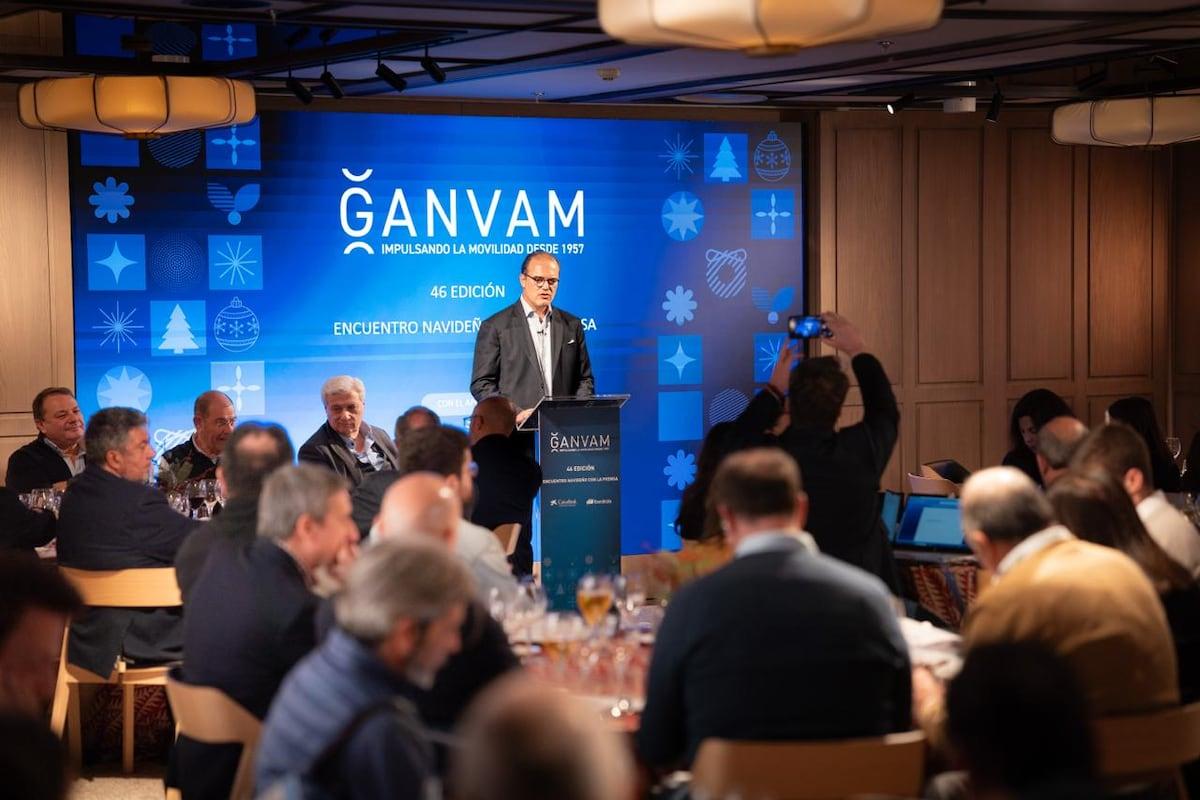
The main association of car dealers and repairers in our country, Ganvam, welcomes the massive application of Chinese brands in Spain because it acts as a democratic vector of mobility for citizens.According to its president, Jaime Bare, these manufacturers "brought the new vehicle closer to middle incomes" making it "more accessible and affordable, whose mobility should be within the reach of all incomes".
The romance with the media is largely due to the fact that 2025 continues, with a dynamic, regional Auto+ reboot set to take place next year.Thanks to their more reasonable pricing, they have gained market share in a short amount of time, he said.
This figure is approximately twice the average in the rest of Europe.In our country, seven out of every 10 registrations, with an average of 46.3 percent, are made through the private channel, and Chinese manufacturers rightly focus on this market, offering vehicles equipped with high-tech components at very competitive prices and, according to Ganvam, increasing the availability of models that were previously reserved for certain consumer profiles.
"The entry of these new brands brought next-generation mobility to the middle-income, and the car did not cease to be a luxury item," says Baria.
With this increase, the national market will close the year with 1.14 million units sold, according to the employer's calculations, and in 2026 will experience a growth of 5% in passenger cars, which will bring the total delivery to 1.2 million vehicles.This record is close to that of the pre-pandemic phase and coincides, according to Barea, with a cruising speed suitable for a country with our population and resources.
Ganvam CEO Fernando Migueles detailed at the meeting that the assistance under the Moves III plan helped accelerate electrification in 2025, the year that will end with a quota of electric and hybrid passenger cars close to 20%.Next year, this share will grow to 30% thanks to a number of factors.
Among them, he mentioned the announcement of new measures to increase demand, such as increasing the budget to pay for the Moves III waiting list and the new Auto+ scheme, which will replace it in 2026.
In the last year, the impact of the budget on October 20, 2024 has been determined for the growth of the market. The flood caused the need to replace damaged vehicles, to generate another request for 27.00 units of new passenger cars.Without this short-term benefit, the growth in registrations will be around 10.4% at the end of 2025, the joint analysis.
This effect of the Fund has also been seen in the used car market, where the Auto+ plan, which also includes a subsidy for used cars for up to three years, has stimulated additional demand for second-hand passenger cars.In this way, the forecast stands at 2.23 million double units of a million passengers in 2023, more than 6% more than pre-pandemic levels.
Model changes
Ganvam celebrates the recent approval of the Sustainable Mobility Act, which sets out a renewal plan that includes possible support for Euro 6d vehicles within three months of approval, but encourages us to move from announcements to implementation of effective measures."The industry does not live only on reports. It is important to take and activate measures to ensure the credibility of the programs and eliminate uncertainty, and above all to have and express the economic resources to implement them, especially at this time when the market is getting its rhythm again," said Jaime Barea.
For rest, the recipients of the customers and adjustments of a coach of a train and money.
In this case of change, where the weight of the foundation as the poem has increased by 10 because of 2015, Gunvam is 3,145,000 units.
The event indicates that this year will show unusual behavior within the normal range