


 Dec 17, 2025
 3 min read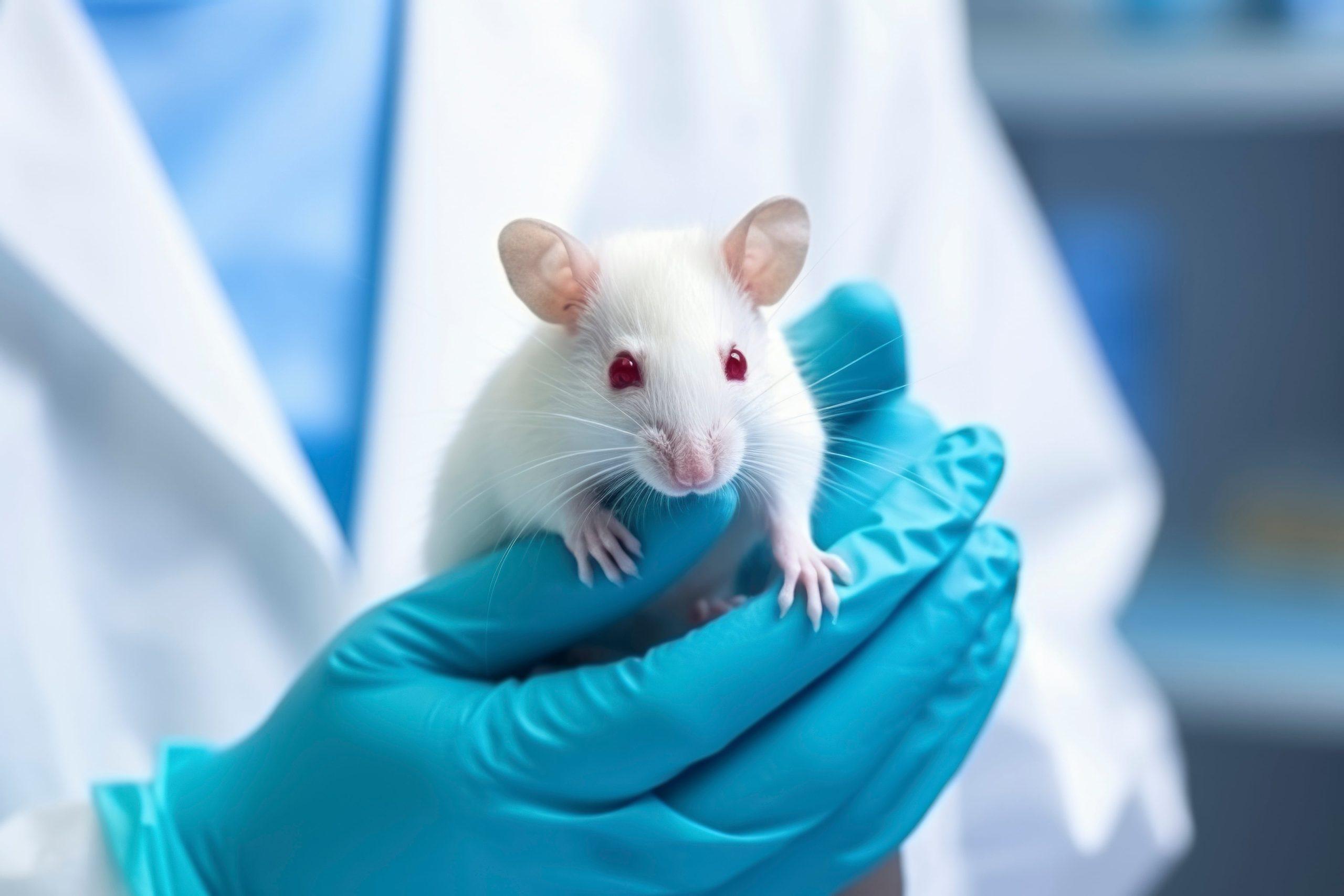
Do you think agility and coordination are only for the young?Think again!A scientific study presented by the United States discovered that regular exercise has an amazing power: it activates dopamine in our brain.This chemical is important for good movement, a strong memory, and yes, a positive mood!The great news is that these benefits do not disappear with age, proving that any adult can recover or improve their speed and speed, and not just by muscle power!
A study published in the prestigious scientific journal NPJ Parkinson's Disease reveals the secret to regaining dexterity lost over the years.The results show that consistent physical activity is key to keeping us moving freely, no matter what stage of life we are in.
This exciting research project was conducted at New York University Langone Health, now part of VitaCylot San Rafael University. Margaret Rice also collaborated on this important work with colleagues at the Marilyn and Paolo Fresco Foundation for Parkinson's.
The aging brain regains its vitality with movement
The point is, as we age, we experience a natural decline in our ability to move with equal ease.Although we know that aerobic exercise (such as running, swimming or dancing) is beneficial for brain health, how the adult brain works is still a mystery.He decided to find out if exercise offers significant benefits beyond the young.
The research sought to determine whether daily exercise could restore flow and agility, qualities that often weaken with age, in humans and other mammals.The goal was to understand how movement affects dopamine to find the keys to improving movement and brain health in older adults.
To accomplish this, the team focused on lab mice that were at a stage similar to the average age of humans.This allowed them to see in detail the differences in the brain's movement control system, which is controlled by dopamine.The main question is whether this progress is due to an increase in energy or an increase in structure.Therefore, before and after exercise sessions, animals' movement, stress and physical strength.Various aspects related to it were carefully examined.The main goal is whether daily exercise can strengthen the brain, even in spite of the natural decline of dopaminergic neurons in previous years.The central idea is bold: if young brains produce more dopamine when they exercise, could the same process rekindle energy in people during their youth?
Exercise, the wheel and brain healing
Two dozen rats, divided into two groups, took part in the experiment.One group had free access to a running wheel, encouraging voluntary physical activity, while the other group remained sedentary with an enclosed wheel.After months of training, each animal was put through a variety of tests designed to assess their dexterity, such as leaving a pole, sprinting across an area of sand, and demonstrating the strength of their paws.
The results were surprising: the mice who ran on the wheel showed more speed and speed when descending the pole than their same-age friends.Importantly, it was found that the muscles did not grow more in the runners.This indicates that the improvement in movement is due to an increase in body coordination, not due to greater body strength.
In addition, scientists found that active mice released 50% more dopamine than inactive mice.This significant difference is concentrated in the striatum, a brain region important for movement execution and motivation.Interestingly, although women ran twice as much as men, both groups had similar gains in dopamine and agility.This suggests that increasing the time or intensity after reaching the optimal "dose" of exercise does not always provide additional benefits.
Research has confirmed that the amount of physical activity is a decisive factor in activating dopamine and improving mobility, regardless of gender or muscle strength.Experiments have shown that if we do the right thing, the brain is able to experience positive and important changes.
Another important finding was the speed with which the effects were observed: just one month of voluntary movement was enough to directly affect the brain and show the animals walking and moving.The research, based on a rigorous and comparative methodology, was funded in large part by the National Institutes of Health and the Parkinson's Foundation of the United States.The main goal was to determine whether the mechanism found in mice can be replicated in humans.
Dr. Rice emphasized the relevance of the findings: "These results provide neurochemical evidence why exercise improves everything from memory and movement to mood, which is particularly pronounced in people with Parkinson's disease."
Scientists now strongly recommend regular exercise to maintain agility and mobility after age 40.Although the experiment was conducted on mice, studies are underway to confirm whether the effects on brain dopamine are similar in humans.The main challenge now is to extrapolate these results from rodents to humans.
The next steps in this research will include testing animal models of Parkinson's disease before attempting to translate these valuable findings into human clinical practice.The message is unmistakable, regardless of age: Movement is essential for keeping our brain chemistry in optimal condition and can be a key tool in the prevention and treatment of diseases such as Parkinson's disease.Experts hope that future research will confirm these findings and open new avenues for significantly improving the quality of life during the aging process.